Lightweight PET Blow Molded Bottles | Custom Pet Packaging

All Categories

Get a Free Quote

Pengheng Blow Molding: one-stop,custom solutions from concept to product
Email
Name
Company Name
Message
0/1000
WhatsApp/wechat
Lightweight Pet Blow Molded Bottles – Custom Engineering from Design to Mass Production

Lightweight Pet Blow Molded Bottles – Custom Engineering from Design to Mass Production

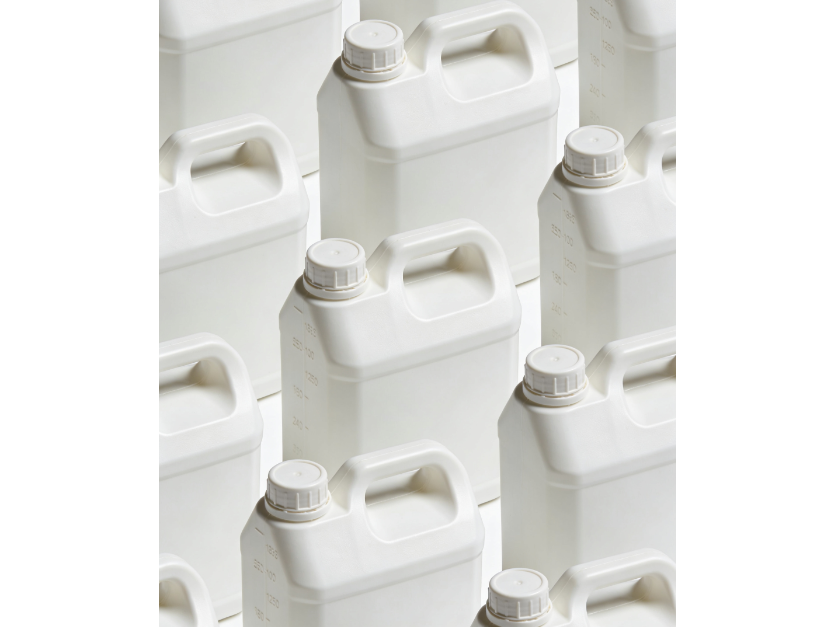
Lightweight Pet Blow Molded Bottles represent a precise balance of material efficiency, structural integrity, and visual appeal for modern pet product brands. At Changzhou Pengheng Auto Parts Co., Ltd., established in 2007, we specialize in the development, production, and sales of non-standard blow molding products, and we have built a dedicated capability around lightweight pet blow molded bottles for feeders, waterers, treat containers, grooming dispensers, and travel carriers. With three production bases in Shenyang, Wuhan, and Changzhou, China, 26 blow molding machines, dedicated production lines, and an annual capacity exceeding 5 million sets, we support pet brands that need consistent quality at scale.
Get A Quote

Advantages of the product

Integrated One-Stop Development for Lightweight Pet Blow Molded Bottles

Our one-stop model removes the friction that usually slows down lightweight pet blow molded bottles projects. Instead of coordinating separate design houses, toolmakers, and molding suppliers, clients work with one technical team from concept to delivery. We begin with a requirements review covering the pet type, fill volume, closure type, drop height, stacking load, and label or sleeve method. Our engineers then create 3D bottle models and mold flow proposals that target lightweight pet blow molded bottles weights, wall distribution, and handle comfort. Tooling is built and validated in-house, followed by sample bottles for fit, leak, and drop testing. Because we operate 26 blow molding machines across Shenyang, Wuhan, and Changzhou, we can run small trial batches and then scale to mass production without changing partners or restarting the learning curve.

Material and Weight Optimization Without Sacrificing Strength

Lightweighting is only valuable when the bottle still performs. Our core advantage is the ability to reduce resin use in lightweight pet blow molded bottles while protecting critical mechanical properties. We analyze the load path of each bottle, identify non-structural areas, and adjust parison thickness so material goes where it is needed. This often allows weight reduction through better distribution rather than simply thinning the whole wall. We also evaluate resin grades, including HDPE, LDPE, PP, PET, and PCR-blended options, and can recommend additives that improve stiffness, stress crack resistance, or UV stability. For lightweight pet blow molded bottles used with water, treats, or grooming liquids, we test drop impact, creep under stacking, and seal integrity after repeated opening. Mold cooling is optimized to improve surface finish and dimensional repeatability, which matters for automatic filling lines.

Non-Standard Shapes, Functions, and Materials Expertise

Many pet products cannot use a stock bottle. Lightweight pet blow molded bottles often need unusual handles, angled necks, integrated measuring cups, textured grips, or shapes that fit a specific feeder base. Our company was built around non-standard blow molding, so complex geometry is normal work for us. We handle multi-layer structures, inserts, view stripes, and custom neck finishes. We also support specialized functions such as controlled dispensing, anti-glug pouring, and travel-friendly sealing. Because we work across automotive, medical, military, household, and industrial packaging, we bring material knowledge that spans rigid and flexible applications. For lightweight pet blow molded bottles, this means we can select or blend polymers to balance stiffness, softness, chemical resistance, and recyclability. We can also produce transparent or opaque finishes, matte or glossy surfaces, and colors matched to brand guidelines.

Related products

Lightweight pet blow molded bottles sit at the intersection of packaging physics and pet owner experience. Blow molding inflates a heated parison inside a mold, so wall thickness is never perfectly uniform. When a brand asks for a lighter bottle, the real task is controlling that non-uniformity so thin zones do not become failure points. Our approach begins with bottle geometry. Curves, corners, and handles change how material flows, so we model the parison and the mold cooling channels together. For lightweight pet blow molded bottles, we often increase thickness at the base radius and shoulder, where stress concentrates during drops, while thinning the label panel and upper body where loads are lower. This targeted distribution can cut weight meaningfully without weakening the bottle. Material choice is the next lever. HDPE offers good stiffness and moisture barrier for dry treats, while PP improves clarity and heat resistance for grooming liquids.

Frequently Questions

What makes lightweight pet blow molded bottles different from standard pet bottles?

Lightweight pet blow molded bottles are designed with a deliberate weight and wall distribution strategy rather than a uniform reduction. In standard bottles, material is often distributed generously, which increases cost and shipping weight. In our lightweight pet blow molded bottles, we study the load path: where the bottle is gripped, where it is stacked, where it is dropped, and where a closure applies force. We then adjust parison control so thicker material sits at high-stress zones such as the base radius, shoulder, and neck, while lower-stress areas are thinned. This allows a lower total weight while keeping drop resistance, leak tightness, and top-load strength within target. The difference is also in validation. We test lightweight pet blow molded bottles with drop tests from specified heights, compression tests for stacking, and seal tests after repeated cap cycles.
Yes. Customization is the standard at our company, and lightweight pet blow molded bottles are a strong example of that capability. We can develop bottles from roughly 100 ml to 2 L and beyond, with shapes that include round, oval, square, ergonomic grip profiles, angled dispensing necks, and integrated handles. We also support wide-mouth jars for treats, narrow-neck waterers, and travel bottles with tethered or flip-top caps. The process starts with your functional requirements and brand direction. Our engineers create 3D models and mold flow studies, then build tooling and produce samples for your approval. Because we operate 26 blow molding machines and dedicated production lines across three bases, we can move from prototype to mass production without losing consistency. We also manage neck finishes, thread types, label panels, and surface textures such as matte, gloss, or soft-touch.
The best material depends on the contents, the closure, the desired shelf life, and the sustainability story you want to tell. For lightweight pet blow molded bottles holding dry treats, HDPE is often ideal because it is tough, moisture resistant, and cost effective. For grooming liquids or products needing better heat resistance, PP can be a better choice. PET is popular for water and clear treat dispensers because it offers excellent clarity and good barrier properties. We also work with LDPE for softer, squeezable lightweight pet blow molded bottles and with PCR-blended resins when clients want to increase recycled content. Beyond the base resin, we evaluate additives for UV stability, anti-static behavior, and stress crack resistance. Colorants and finishes are selected to match brand guidelines without compromising recyclability.
Consistency comes from controlled processes and verified data. For lightweight pet blow molded bottles, we lock the approved sample as a golden reference, including weight, dimensions, wall distribution, color, and surface finish. Production runs follow documented parameters for heating, parison control, mold cooling, and cycle time. In-process checks monitor bottle weight and critical dimensions at defined intervals, and finished goods are inspected for leaks, cracks, and closure fit. Because we operate 26 blow molding machines and dedicated lines in Shenyang, Wuhan, and Changzhou, we can balance capacity and maintain stable output even for high-volume programs exceeding 5 million sets annually. We also keep traceability records for resin batches and production dates, which supports client audits and recalls if ever needed. For international clients, we prepare inspection reports and can coordinate third-party testing when required.
A new lightweight pet blow molded bottle project usually follows five stages: discovery, design, tooling, sampling, and mass production. In discovery, we collect requirements such as volume, contents, closure type, drop height, stacking load, and branding needs. In design, we create 3D models and mold flow analysis, then review manufacturability with you. Tooling is built and tested in-house. Sampling produces physical lightweight pet blow molded bottles for fit, leak, drop, and appearance approval. Once approved, we move to mass production with documented parameters and quality checks. Lead time varies with complexity, mold requirements, and material availability, but our integrated one-stop model avoids the delays that occur when design, tooling, and molding are split among vendors. For clients who need to launch quickly, we can discuss parallel activities such as resin sourcing and label development during tooling.

Related article

Customer Testimonials

Maria Keller
Reliable Partner for Our Lightweight Pet Waterer Line

We needed a lighter waterer bottle without losing drop strength, and the team delivered exactly that. Their engineers reviewed our filling line, recommended wall changes, and produced samples that passed our drop tests. The lightweight pet blow molded bottles now ship with lower material cost and fewer breakage claims. Communication was clear and documentation was complete.

Daniel Okafor
Excellent Custom Tooling and Consistent Quality

Our treat dispenser required an unusual angled neck and a soft-touch grip. Other suppliers said it was too complex, but this team built the tool and delivered production volumes on schedule. Every batch of lightweight pet blow molded bottles matched the approved sample in weight and color. Their one-stop service saved us months of coordination between vendors and gave us confidence for retail launch.

Get a Free Quote

Pengheng Blow Molding: one-stop,custom solutions from concept to product
Email
Name
Company Name
Message
0/1000
WhatsApp/wechat
One-Stop Service from Concept to Mass Production

One-Stop Service from Concept to Mass Production

Our one-stop model is a genuine competitive advantage for lightweight pet blow molded bottles because it removes the handoff risk that causes delays and quality drift. A single team manages design development, tooling, sampling, pilot production, and mass production delivery. This means your lightweight pet blow molded bottles specification is protected from the first sketch to the last container. When a client requests a lighter bottle, our engineers immediately evaluate geometry, resin, and parison control together, rather than optimizing one factor in isolation. Tooling is built and validated in-house, so modifications are fast and controlled. Sampling produces real bottles for drop, leak, and fit testing, and those approved samples become the golden reference for production. Because we operate 26 blow molding machines and dedicated lines across Shenyang, Wuhan, and Changzhou, we can scale from small trial runs to high-volume programs exceeding 5 million sets annually.
Advanced Lightweighting That Protects Performance

Advanced Lightweighting That Protects Performance

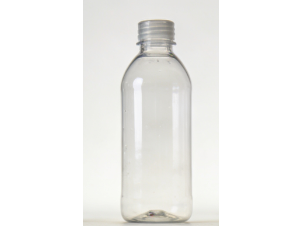
Lightweighting is a technical discipline, not a simple reduction in material. Our advantage is the ability to make lightweight pet blow molded bottles lighter while protecting the properties that matter most: drop resistance, leak tightness, top-load strength, and ergonomic feel. We analyze each bottle’s load path and use parison control to place material at high-stress zones such as the base radius, shoulder, and neck, while thinning lower-stress areas. This targeted distribution often achieves weight savings that uniform thinning cannot match. We also evaluate resin grades and additives to improve stiffness, stress crack resistance, and UV stability, and we test samples under realistic conditions including repeated cap cycles and stacking loads. Mold cooling is optimized for dimensional repeatability, which helps automatic filling and capping lines run smoothly.

Related Search